We have all done it: grabbed a box of trash bags at the store, gotten home, and realized they are three sizes too small for the can — or so thin they tear on the way to the curb. If you have ever stood in the aisle wondering what a mil even is, this trash bag sizes guide is for you. Here is how to decode gallons, thickness, and bag styles so you buy the right one the first time.
How Trash Bag Sizes Actually Work
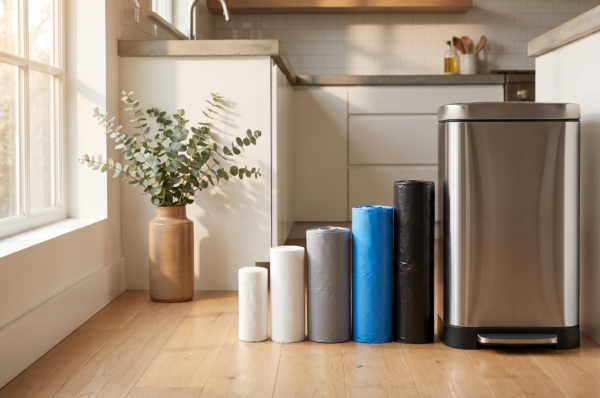
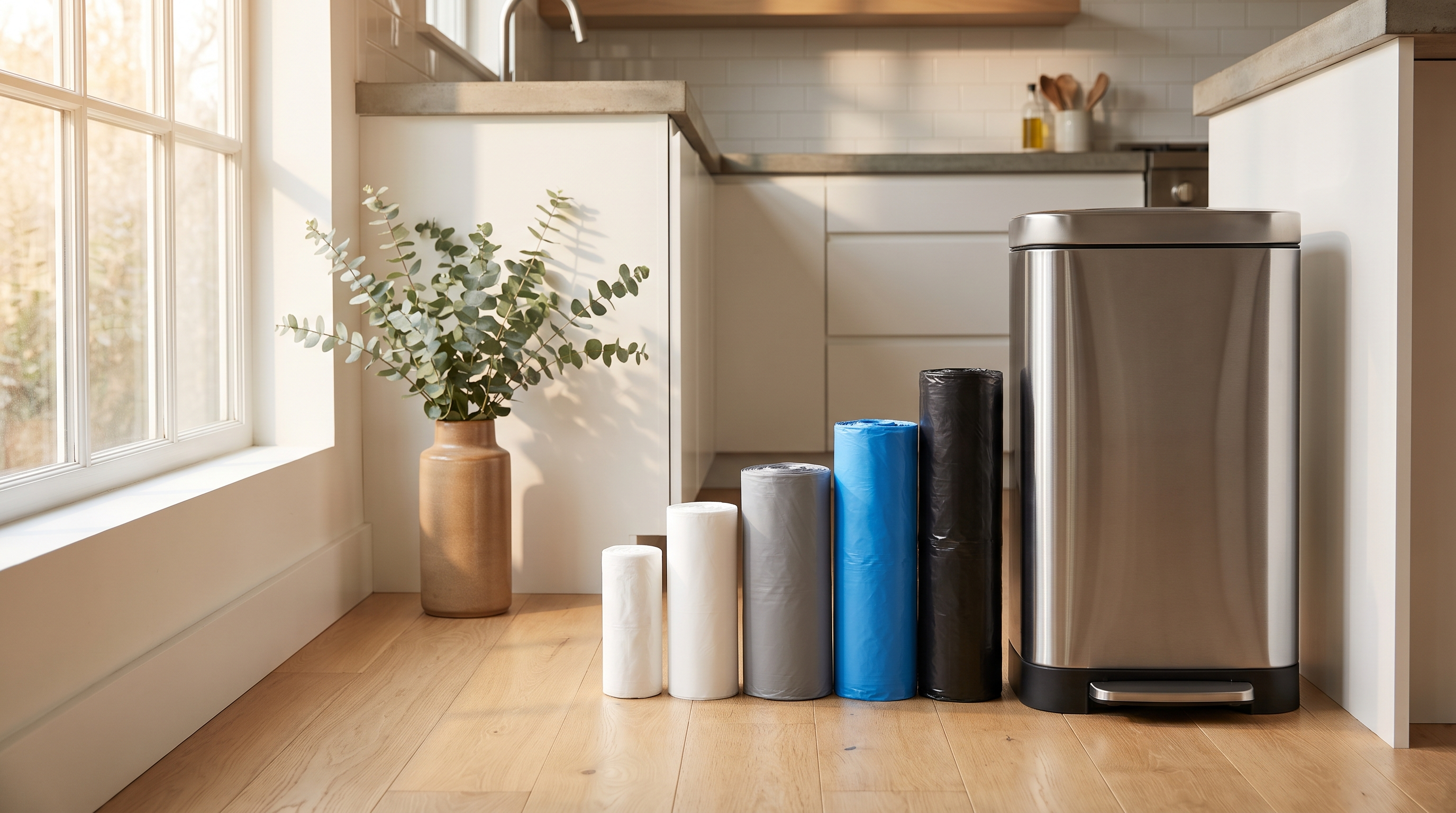
Trash bag sizes are measured in gallons, and that number tells you the volume the bag is designed to hold — which usually lines up with a specific trash can size. A 13-gallon bag fits a standard kitchen can. A 33-gallon bag fits a big wheeled outdoor cart. When the bag matches the can, the liner stays put, nothing tears, and you use every inch of capacity you paid for.
The Most Common Sizes and What They Fit
- 2–4 gallons — small bathroom cans, desktop bins, diaper pails
- 7–10 gallons — bathroom and bedroom cans, dorm bins
- 12–16 gallons — standard kitchen cans (13 is the classic)
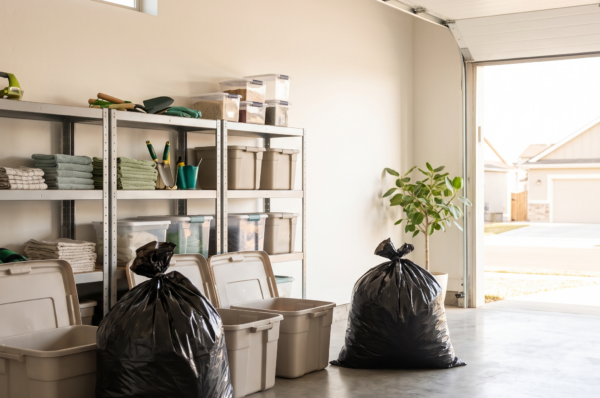
- 20–30 gallons — garages, workshops, large outdoor cans
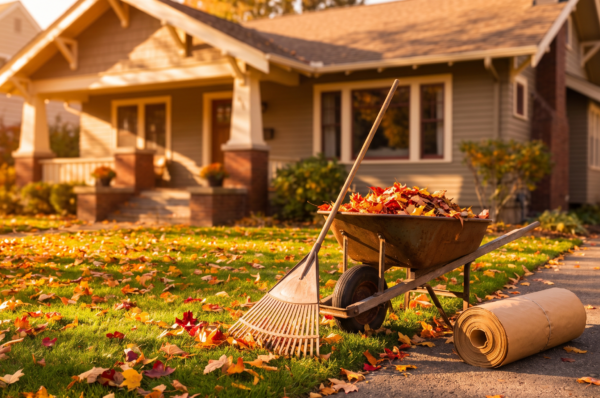
- 32–40 gallons — yard work, leaf piles, moving clutter
- 42–60 gallons — contractor bags and heavy fall cleanup
Quick tip: if you tossed the box, flip your trash can over. Most cans have the gallon size molded into the bottom. That one number saves you a return trip to the store.
What Mil Thickness Means (and Why It Matters as Much as Size)
A mil is one thousandth of an inch, and it measures how thick the plastic is. A bigger bag is not automatically a stronger bag — a 55-gallon bag at 0.7 mil will shred on the first branch you stuff into it. Match thickness to the weight and sharpness of what you are tossing.
Light Duty vs. Medium Duty vs. Heavy Duty
- 0.6–0.9 mil (light duty) — paper, tissues, packaging, office and bathroom trash
- 1.0–1.6 mil (medium duty) — everyday kitchen waste, food scraps, household junk
- 1.8–3.0 mil (heavy duty) — yard waste, sticks, garage and renovation debris
- 3.0+ mil (contractor grade) — demolition debris, sharp wood, serious cleanouts
Bag Types and Closures, Explained
Drawstring Bags
A rope is threaded through the rim, so you lift, pull, and the bag closes itself — no touching the trash. The string also anchors the bag to the rim so it never slides down mid-dinner-prep. This is the best everyday choice for kitchen cans.
Flap-Tie and Twist-Tie Bags
Flaps give you extra plastic to knot shut. They cost less and work fine for lighter loads, but the flaps can tear if you cinch them around heavy garbage. Twist ties show up mostly on small bathroom bags.
Star-Seal Bottoms
A star seal — that puckered, fan-folded bottom — spreads weight evenly instead of concentrating it on one seam. If you regularly fill bags to the top, a star seal will save you from the dreaded sidewalk spill.
How to Measure Your Trash Can in Two Minutes
No guesswork needed. Grab a tape measure:
- Measure the height of the can from the floor to the rim.
- Measure the diameter across the top (or width plus depth if it is rectangular).
- Find the bag width you need by dividing the can’s circumference by two, then rounding up a few inches. Circumference = diameter × 3.14; for rectangular cans, add width plus depth and multiply by 1.57.
- Find the bag height you need by adding the can height plus half the diameter, plus 3–4 extra inches so you can tie it off.
Buy the size that meets or slightly exceeds both numbers. A slightly oversized bag always beats an undersized one.
Matching Bags to Every Room
The Kitchen
For most American kitchens, a 13-gallon drawstring bag in the 1.1–1.5 mil range is the sweet spot. It handles dinner scraps, takeout containers, and the mystery juice at the bottom of the can. Melplas 13-gallon drawstring kitchen bags are built for exactly this job, with a star-sealed bottom that holds a full load without splitting.
Dorm Rooms and Small Apartments
Back-to-school shoppers, take note: dorm cans are almost always tiny — 5 to 8 gallons. Do not buy kitchen-size bags and try to stretch them over a mini can. A small bag fits tight, tucks out of sight, and gets emptied more often, which matters when your bedroom is also your kitchen.
Garage, Yard, and Fall Cleanup
Once the leaves start falling, size up to 39–45 gallon heavy-duty bags in the 1.8–3 mil range. Thin big-box bags split the second a twig pokes them. Melplas large heavy-duty yard bags are a solid pick here — thick enough for branches and wet leaves, big enough that one Saturday rake-out does not burn through a whole roll.
Three Mistakes That Waste Money on Trash Bags
- Guessing the size. Even one gallon off can mean a bag that slips or will not close. Measure once, buy right forever.
- Mismatching thickness. A 2-mil bag for bathroom tissue is overkill; 0.9 mil for chicken bones is a disaster.
- Overfilling. Stretching a bag past its rated capacity is the number-one cause of breaks. When it gets hard to close, take it out.
The Bottom Line
Size answers “will it fit?” Mil answers “will it hold?” Closure answers “will it be easy?” Get all three right and you stop thinking about trash bags entirely — which is the whole point. Measure your cans this weekend, jot the sizes on a sticky note inside a cabinet door, and never buy the wrong box again.