Standing in the store aisle trying to remember if your kitchen can takes a 13-gallon or a 30-gallon bag is a small, specific kind of frustration. Gallons, mils, drawstrings, star seals — the jargon piles up quickly. This trash bag sizes guide breaks it all down in plain English, so whether you are stocking a freshman dorm or bagging a backyard full of fall leaves, you order the right bag the first time.
Start by Measuring Your Trash Can
The gallon count on a package describes how much the bag holds, not your exact can — which is why two minutes of measuring saves a lot of returns. Grab a tape measure and note the height of the can and the distance across the top opening.
- Bag height: can height plus half the top width, plus 3 to 4 inches for tying off the top.
- Bag width for round cans: multiply the top diameter by 1.6, then add a couple inches of overhang.
- Bag width for rectangular cans: add the length and width of the opening, then add 2 to 3 inches so the bag stays anchored around the rim.
If your numbers land between two standard sizes, size up. A slightly roomy bag tucks neatly around the rim; a tight one slips down every time something heavy hits the bottom.
Trash Bag Sizes Guide: What Each Gallon Count Fits
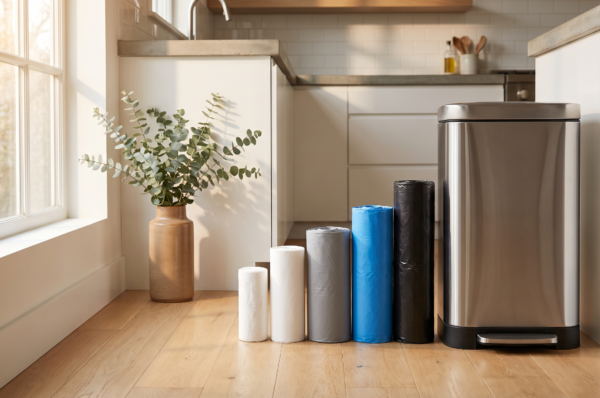
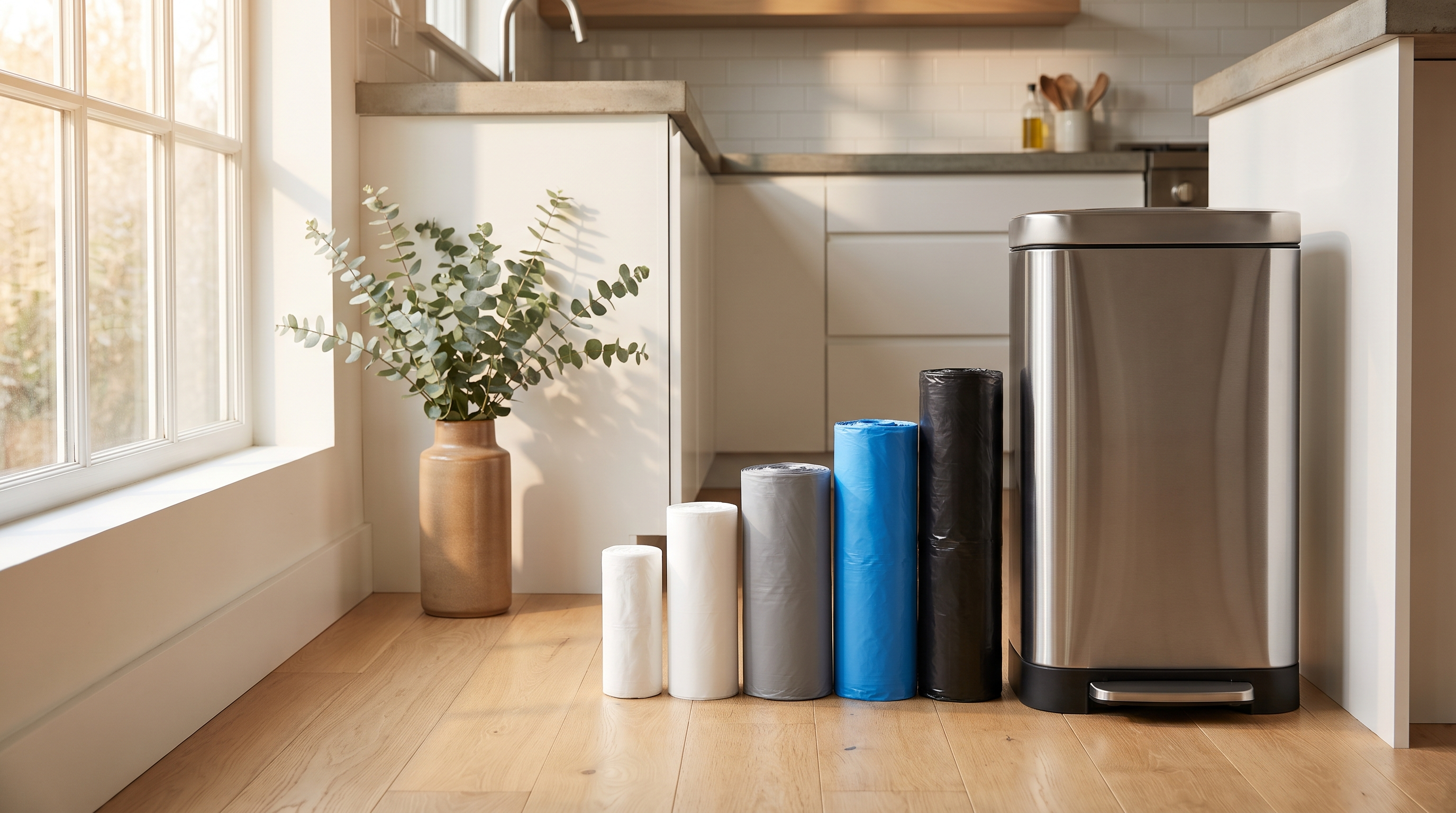
Most households only need two or three sizes on hand. Here is where each one belongs.
2 to 4 Gallon Bags
Tiny cans: desk-side wastebaskets, nursery and diaper pails, bathroom counters, and the car. They fill fast, so buy in bulk — these little bags get changed more often than any other size in the house.
7 to 10 Gallon Bags
The bathroom and bedroom workhorse. A 7 or 8 gallon bag fits most pedestal bathroom cans and the compact bins in dorm rooms, where floor space is scarce and the trash can usually lives under the desk.
12 to 16 Gallon Bags
The kitchen standard. A 13-gallon bag fits the typical under-sink pull-out or freestanding kitchen can, handling dinner scraps, packaging, and the mysterious things kids leave in their pockets. If your can came with a brand-name bucket, check its label — some run 12, some 13, some 15, and they are not always interchangeable.
30 to 33 Gallon Bags
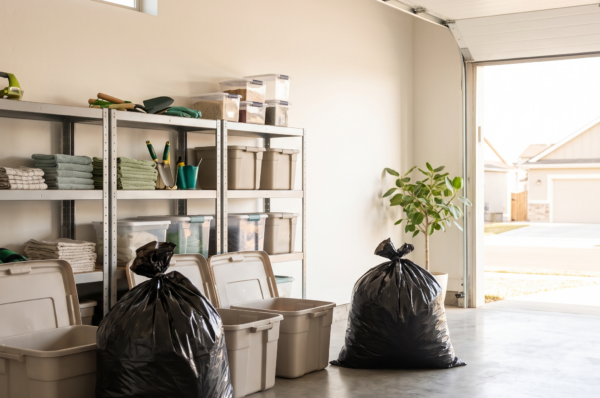
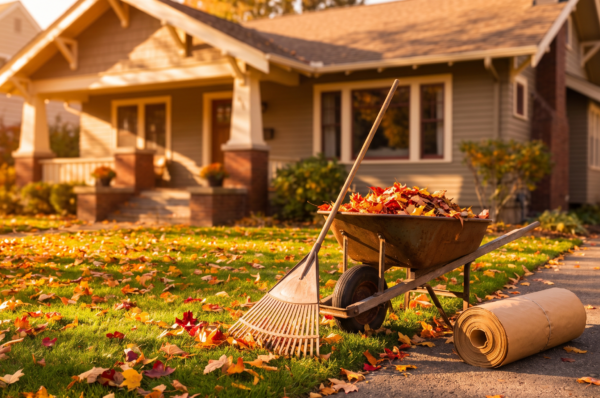
Outdoor cans, garages, and yard work. These tall bags fit wheeled curbside bins and swallow grass clippings, hedge trimmings, and leaf piles. In most neighborhoods they are also the go-to for fall cleanup weekends.
40 to 45 Gallon Contractor Bags
Built for abuse: renovation debris, broken branches after a storm, moving-day purges, and garage cleanouts. They are thicker, blacker, and priced accordingly — save them for jobs that would shred a kitchen bag.
Mil Thickness Explained: How Strong a Bag Do You Need?
A mil is one-thousandth of an inch, and it is the number that determines whether your bag survives the trip to the curb. Gallons tell you how much a bag holds; mils tell you how much weight it carries before it gives up.
- 0.7 to 0.9 mil, light duty: paper, tissues, office waste, and bathroom bins where weight is rarely an issue.
- 1.1 to 1.5 mil, medium duty: the kitchen sweet spot, tough enough for food scraps and takeout containers without paying for muscle you will not use. Melplas 13-gallon drawstring bags sit right in this range, which is why they hold up to a full week of household kitchen duty.
- 1.8 to 3.0 mil, heavy duty: yard waste, glass bottles, renovation debris, and anything with sharp corners.
One rule of thumb: the heavier and wetter the contents, the higher the mil. A flimsy 0.7-mil bag carrying soaked leaves is a cleanup mistake you only make once.
Closures and Seals: The Details That Matter
Drawstring vs. Flap Tie
Drawstrings cinch with one pull and double as handles, which makes them ideal for kitchen cans you empty every couple of days. Flap ties are the traditional wings you knot yourself; they cost a little less and work fine for light bathroom waste.
Star-Sealed Bottoms
A star seal gathers the bottom of the bag into a flexed, gusseted seam instead of a flat crimp. That design has no straight seam to split when a chicken carcass or a shovel full of gravel tests the limits. For anything heavier than bathroom trash, make a star-sealed bottom non-negotiable.
Quick Picks: Dorm Rooms and Fall Cleanup
Two seasonal situations where buying the wrong size is practically a tradition:
- Dorm rooms: one compact 7-gallon can under the desk with bulk-refill 7 or 8-gallon bags, plus a shared 13-gallon for the common room. Small bags, big count — freshman year generates an impressive volume of snack wrappers.
- Fall cleanup: 30 to 33-gallon bags for leaves and garden trimmings, sized to fit the yard can, plus a pack of 42-gallon heavy-duty bags in the garage for branches and storm debris. Melplas 33-gallon lawn and leaf bags are a dependable pick for leaf season because the extra thickness keeps sticks from punching through.
Trash Bag Sizes at a Glance
| Size | Best For | Typical Thickness |
|---|---|---|
| 2–4 gal | Desks, diaper pails, cars | 0.7–0.9 mil |
| 7–10 gal | Bathrooms, bedrooms, dorms | 0.9–1.1 mil |
| 13 gal | Kitchen cans | 1.1–1.5 mil |
| 30–33 gal | Outdoor cans, yard waste | 1.5–2.0 mil |
| 42–45 gal | Contractor and storm debris | 2.0–3.0 mil |
The Bottom Line
Match gallons to the can, match mils to the mess, and insist on a star-sealed bottom for anything heavy. Keep two sizes stocked — one for daily kitchen and bathroom waste, one for the yard — and you will never improvise with a grocery bag again.