Fall Yard Cleanup: Bag Leaves Like a Pro
If you’re an American homeowner with even two or three mature trees, you know the drill: one windy weekend in October, and your lawn disappears under a blanket of leaves. Fall yard cleanup can feel endless, but with the right approach, you can bag leaves faster, keep your curb appeal intact, and get your garage and yard winter-ready without burning an entire Saturday.
Here’s a practical game plan from someone who’s raked more lawns than I can count.
Why Fall Yard Cleanup Actually Matters
It’s tempting to let leaves sit until spring, but a thick mat of leaves can smother your grass, trap moisture, and create the perfect home for mold and pests. Wet leaves on walkways and driveways also get slippery and dangerous. A little effort now saves you from dead patches, fungal issues, and a bigger mess in March.
The good news: you don’t have to remove every single leaf. A light dusting can be mulched right into the lawn with your mower. It’s the heavy accumulation you need to handle.
Step 1: Pick Your Leaf-Removal Method
Mulch First, Rake Second
Run your mower over dry leaves to shred them before raking. Shredded leaves take up about a quarter of the space whole leaves do, which means fewer bags and fewer trips to the curb. Mulched leaves also break down faster if you’re composting.
Rake Onto a Tarp
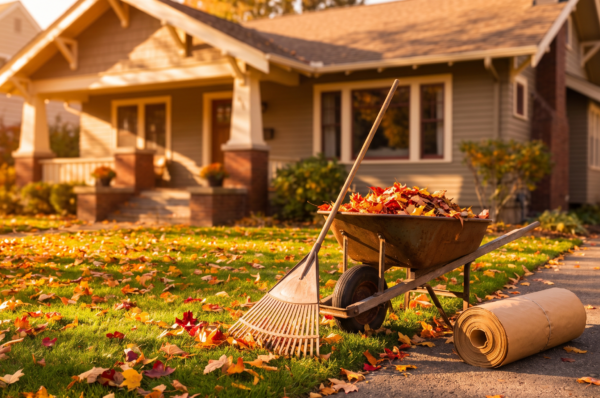
Instead of raking leaves into a dozen small piles, rake them onto a large tarp. Grab the corners, drag the whole load to your bagging station, and dump. This one trick can cut your cleanup time in half on bigger lawns.
Use a Leaf Blower Strategically
Blowers work best for hard surfaces and for herding leaves out of flower beds, gutters, and rock gardens where rakes cause damage. Blow everything onto the grass first, then mulch and rake.
Step 2: Know Your Local Leaf Disposal Rules
This is where a lot of homeowners get tripped up. Rules vary widely by city and county:
- Curbside pickup: Many towns collect bagged leaves on specific weeks, often requiring paper lawn bags or a particular brand of biodegradable bag. Check your municipality’s website before you buy supplies.
- Compost drop-off: Some areas accept leaves at municipal compost sites, sometimes free with proof of residency.
- No plastic bags: Plenty of composting programs reject leaves in plastic because the bags contaminate the compost stream. If your town composts, paper bags are usually required.
A five-minute search for “[your city] leaf collection” will tell you exactly what’s accepted and when pickup happens. Mark those dates on your calendar so bags don’t sit at the curb getting soggy for weeks.
Step 3: Choose the Right Bags for the Job
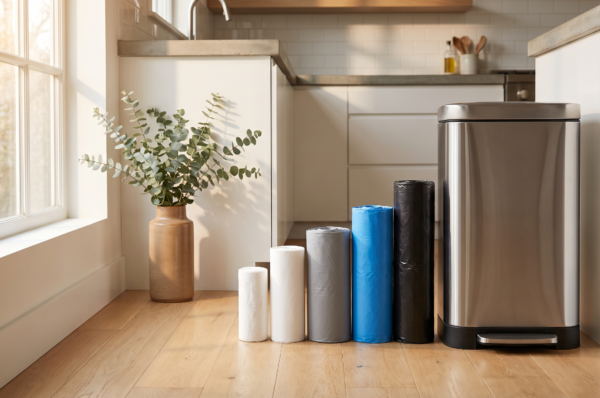
Not all bags are created equal, and yard waste is heavy, bulky, and often damp. A torn bag of leaves splitting across your driveway is a special kind of frustration. A few guidelines:
- Paper lawn bags are required in many compost programs and hold up well when kept upright and dry. Don’t set them in puddles.
- Heavy-duty trash bags work well for yard debris headed to the landfill, especially for twigs, pine needles, and other sharp material that shreds paper instantly.
- Don’t overfill. Leaves are surprisingly heavy when wet. Fill large bags two-thirds full for yard waste so you can actually lift and tie them.
For mixed debris like hedge trimmings, spent annuals from your garden beds, and end-of-season potting soil, we recommend a thick, puncture-resistant option like Melplas heavy-duty trash bags. Their extra-thick construction handles thorny branches and wet clippings without splitting, which means one trip to the curb instead of a cleanup do-over.
Step 4: Don’t Forget These Often-Missed Spots
- Gutters: Clogged gutters cause ice dams and foundation problems in winter. Clear them before the last leaves fall, or you’ll be doing it twice.
- Flower beds and along fences: Leaves hide here long after your lawn looks clean. Pests and rodents overwinter in these piles.
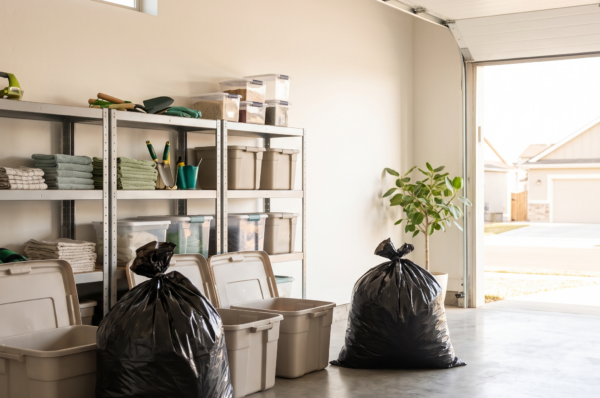
- The garage: Fall cleanup is the perfect time to sweep out grass clippings, potting soil, and summer debris. Keep a durable trash bag clipped to a bucket as a mobile bin while you work; it saves dozens of trips to the can.
- Under decks and porches: Another favorite hiding spot for leaves, and for the mice that love them.
Step 5: Turn Some of That Yard Waste Into Gold
Before you bag everything, consider composting. Shredded leaves are one of the best carbon-rich “browns” for a home compost pile, balancing out kitchen scraps and grass clippings. A simple ring of wire fencing or a store-bought bin is all you need. Next spring, you’ll have free compost for your garden beds instead of buying it by the bag.
Extra leaves can also be stockpiled in a corner of the yard as winter mulch for perennial beds, protecting plant roots from freeze-thaw cycles.
Make It a Repeatable Routine
Rather than one marathon weekend, do a quick pass every week or two during peak leaf season. Leaves that sit for weeks get wet, compacted, and much harder to move. A 30-minute weekly sweep beats a six-hour Sunday slog every time.
With the right tools, a plan that matches your town’s disposal rules, and bags that won’t fail you halfway to the curb, fall yard cleanup becomes just another routine chore instead of a seasonal nightmare. Your lawn, your neighbors, and your spring self will thank you.