Backyard Composting for Beginners: A No-Fuss Starter Guide
If you have ever felt a twinge of guilt scraping wilted spinach, coffee grounds, and apple cores into the trash, backyard composting might become your new favorite chore. The average American household tosses hundreds of pounds of food a year, and when that waste rots in a landfill it releases methane, a potent greenhouse gas. Composting at home redirects those scraps into free, nutrient-rich fertilizer for your garden and lawn. Better yet, it is one of the few eco-friendly habits that actually makes life easier once it is set up.
Why Backyard Composting Is Worth the Effort
Gardeners call compost black gold for good reason. Finished compost improves soil structure, helps sandy soil hold water, loosens heavy clay, and feeds the microbes that keep plants thriving. You also shrink your household trash significantly — food scraps make up roughly a quarter of what most families throw away, which means lighter bags, fewer trips to the curb, and a cleaner-smelling kitchen can.
How Composting Actually Works
You do not need a science degree to compost. You just need to give billions of naturally occurring microbes what they crave: nitrogen-rich greens, carbon-rich browns, moisture, and oxygen. Keep those four elements in balance and the pile heats up and breaks down on its own. Your only real jobs are adding materials in sensible proportions and giving things an occasional stir.
What You Can and Cannot Compost
Greens: Nitrogen-Rich Materials
- Fruit and vegetable scraps, including peels and rinds
- Coffee grounds and paper filters
- Plain loose-leaf tea and paper tea bags
- Fresh grass clippings and green plant trimmings
- Crushed eggshells (technically neutral, but always welcome)
Browns: Carbon-Rich Materials
- Dry leaves, shredded or whole
- Shredded uncoated cardboard and newspaper
- Straw, hay, and untreated sawdust
- Paper towels and napkins that have not touched grease or chemicals
- Dried plant stalks and small twigs
Keep These Out of the Pile
Meat, bones, dairy, and oily foods attract rodents and raccoons and smell terrible. Skip pet waste from dogs and cats, which can carry pathogens, along with weeds that have gone to seed, diseased plants, and glossy or wax-coated paper. When in doubt, leave it out — a smaller, cleaner pile beats a contaminated one every time.
Choosing the Right Compost Setup for Your Yard
There is no single correct way to compost, so pick the setup that matches your space and patience.
An open pile is the cheapest option: heap materials directly on bare earth in a discreet corner of the yard. It works fine if you have room and no nosy neighbors.
A stationary bin, whether DIY from shipping pallets or a store-bought plastic model, keeps things tidy, holds heat better, and fits in as little as a three-foot square.
A tumbler sits off the ground on a frame and rotates with a crank. It is the most pest-proof and fastest option, ideal for smaller suburban yards.
Wherever you set up, choose a level spot with partial shade, decent drainage, and a short walk from the kitchen door. The easier it is to reach, the more likely you are to stick with it.
Build a Kitchen Scrap Routine You Will Actually Keep
Every successful composter has a system for moving scraps from counter to pile without fuss or smell. Keep a lidded countertop caddy near your cutting board and empty it into the pile every two or three days, before fruit flies find it.
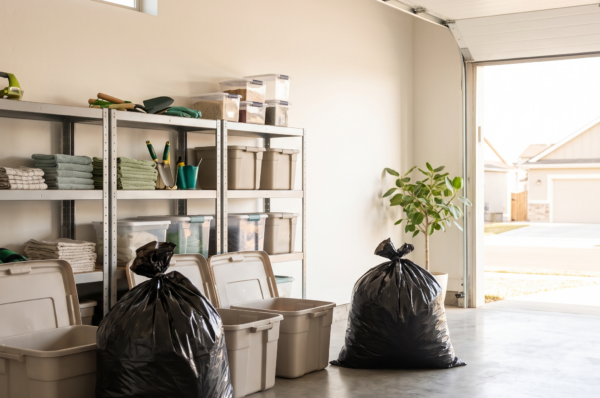
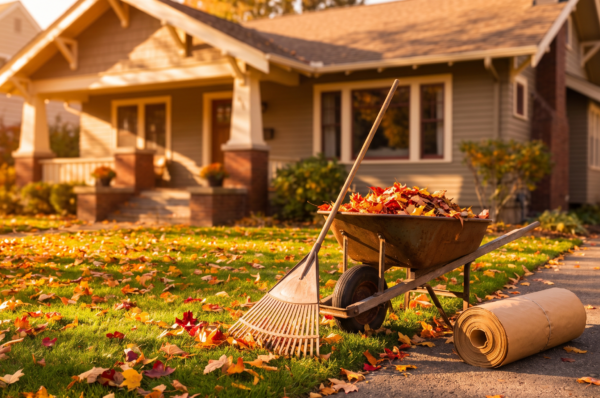
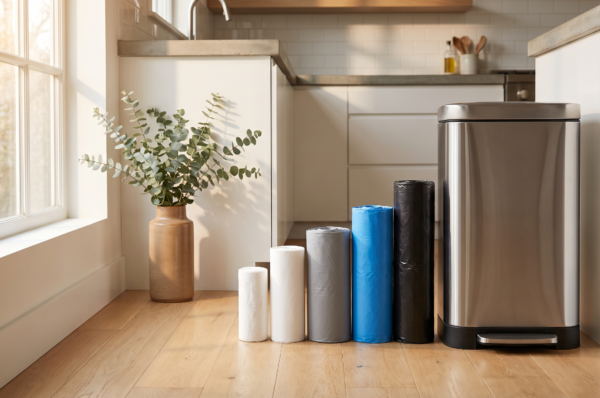
Two tricks make the routine nearly effortless. First, keep a bale of straw or a bin of shredded leaves beside the compost so you can blanket each deposit of scraps with browns immediately — that single habit prevents most odors and pests. Second, if your pile sits far from the kitchen or you only compost occasionally, collect scraps in the freezer. I keep a small Melplas bag tucked in the freezer door for peels and coffee grounds; the cold pauses decomposition completely so there is zero smell, and the sturdy bag survives weeks of being stuffed and re-stuffed before I carry it out and empty it into the pile. Come autumn, stockpile dry leaves in heavy-duty lawn bags — Melplas lawn and leaf bags hold up all season — so you never run short of browns in winter and spring.
Maintaining Your Pile: The Thirty-Second Version
Layer greens and browns at roughly a one-to-three ratio by volume — think three armfuls of leaves for every bucket of scraps. Keep the pile as damp as a wrung-out sponge, and turn it with a pitchfork every week or two to reintroduce oxygen. That is genuinely the entire maintenance manual. Chopping large scraps and shredding leaves speeds things along, but time does the heavy lifting either way.
Troubleshooting Common Compost Problems
The Pile Smells Like Rotten Eggs
It is too wet or overloaded with greens. Stir in a generous layer of dry browns and turn the pile.
Fruit Flies Are Swarming
Bury fresh scraps under several inches of browns instead of leaving them on top, and empty the countertop caddy more often.
Animals Are Digging
Confirm no meat, dairy, or oils made it in, cover every food deposit, and consider a tumbler or a hardware-cloth base if raccoons persist.
Nothing Seems to Be Happening
A dry or compacted pile goes dormant. Water until evenly damp, turn thoroughly, and chop materials smaller so microbes have more surface area to work on.
How to Tell When Your Compost Is Ready
Finished compost is dark, crumbly, and smells like a forest floor after rain. Depending on how often you turn the pile, that takes anywhere from two months to a year. Sift out chunky unfinished bits and return them to the active pile, then work the rest into garden beds, blend it into potting soil at about one part compost to three parts soil, or spread a thin layer over the lawn as a natural top-dressing.
The Bottom Line
You do not need perfect ratios, fancy equipment, or a green thumb to start composting — just a corner of the yard, a container on the counter, and the habit of covering scraps with leaves. Start small, expect the occasional smell or fly, and adjust as you go. Within a season you will be turning yesterday’s peels into next spring’s tomatoes, and wondering why you ever threw all that good garden food in the trash.