Smart Moving Prep: Declutter Before Packing
Moving to a new home is exciting but can quickly become overwhelming. As someone who’s moved more times than I care to count, I’ve learned that the secret to a stress-free move is actually what you do BEFORE you start packing boxes. Today, I’m sharing my battle-tested approach to decluttering that will save you time, money, and sanity on moving day.
Why Decluttering First Makes All the Difference
When you decide to move, your first instinct might be to start boxing everything up immediately. But resist that urge! Decluttering first means you’ll:
- Reduce the number of items to pack and move
- Save on packing supplies and moving costs
- Start your new life organized and clutter-free
- Make unpacking significantly easier
- Potentially earn money by selling items you no longer need
Room-by-Room Decluttering Strategy
Tackle one room at a time to avoid feeling overwhelmed. I recommend starting with the rooms you use least frequently and ending with essential areas like the kitchen and bathroom.
Start in Storage Spaces
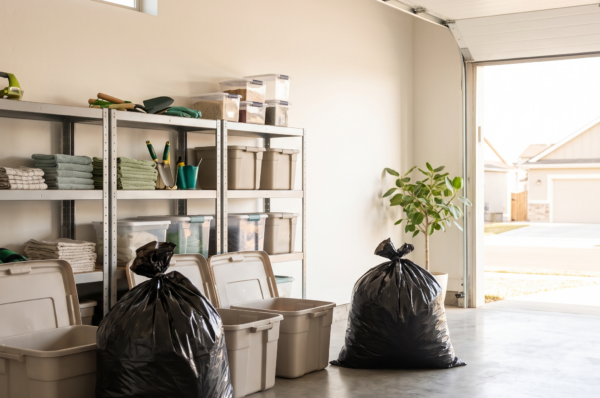
Attics, basements, and garages typically contain the most clutter and items that haven’t been used in years. Begin here where your decisions won’t impact daily life.
Sort items into four categories:
- Keep: Items that are useful, beautiful, or have significant sentimental value
- Sell: Valuable items in good condition that you no longer need
- Donate: Usable items that aren’t worth selling but could help others
- Discard: Broken, expired, or unusable items
Tackle Closets and Clothing
Clothing can be deceptively space-consuming. Use the tried-and-true hanger trick: hang all clothes with hangers facing backward. As you wear items, return them to the closet facing forward. After six months, anything still facing backward is a good candidate for donation.
Be ruthless with questions like:
- Does it fit?
- Have I worn it in the past year?
- Would I buy it again today?
- Is it damaged or stained?
Kitchen Decluttering Made Simple
Kitchens are filled with duplicate items and forgotten gadgets. Remove everything from your cabinets and drawers, clean the spaces, and only return what you truly use.
Watch out for these common culprits:
- Duplicate utensils or gadgets
- Expired foods and spices
- Chipped dishes and glasses
- Single-purpose appliances you rarely use
- Mismatched food storage containers without lids
Responsible Disposal and Organization
Once you’ve sorted everything, proper disposal is key for both sustainability and efficiency.
Managing the Discard Pile
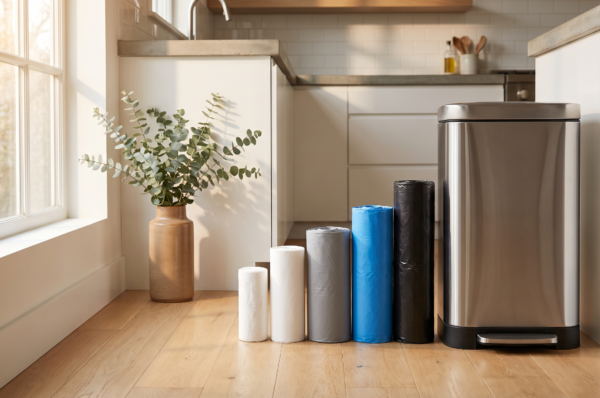
You’ll likely accumulate a significant amount of items to throw away. For this, having sturdy, reliable trash bags makes a huge difference. I’ve found that Melplas trash bags hold up well during moves, preventing those frustrating tears when you’re dragging heavy bags to the curb.
When discarding items:
- Check local recycling guidelines for proper sorting
- Research hazardous waste disposal for items like old cleaners, paints, or electronics
- Break down large boxes to save space in your recycling bin
- Consider using bulk pickup services for larger items
Preparing Items for Donation
For items in good condition that you no longer need:
- Research local charities that accept donations
- Call ahead to confirm what items they’re currently accepting
- Wash clothing and wipe down furniture before donating
- Keep donation receipts for potential tax deductions
For clothing donations especially, I recommend using clear trash bags to protect items from the elements while allowing donation center staff to see the contents at a glance.
Packing What’s Left Efficiently
Now that you’ve cleared out the clutter, packing what remains becomes much more manageable.
Smart Packing Strategies
- Pack room by room and label boxes clearly
- Use smaller boxes for heavy items like books
- Wrap fragile items in clothing or linens instead of paper
- Keep an “Open First” box with essentials for your first night
- Take photos of electronic setups before disconnecting them
Creating a Moving Timeline
Staying organized during the moving process requires planning:
- 6-8 weeks before: Start decluttering non-essential areas
- 4-5 weeks before: Complete decluttering and begin packing rarely used items
- 2-3 weeks before: Arrange donations, sell unwanted items
- 1 week before: Finish packing all but essential items
- 1-2 days before: Pack essential items and prepare for moving day
Starting Fresh in Your New Home
The beauty of decluttering before a move is that you’re not just transferring your old habits to a new space. You’re creating a fresh start with only what you truly need and love.
As you unpack in your new home, continue the mindfulness you developed during the decluttering process. Designate specific homes for every item and commit to maintaining your organized space.
Moving doesn’t have to be chaotic. With thoughtful decluttering and planning, you can transform what’s typically a stressful experience into an opportunity to reset and simplify your life. Your new home deserves to be a sanctuary, not a storage unit!