Simple Kitchen Composting Guide for Urban Households
If you’re looking to reduce your environmental footprint but live in an urban setting, kitchen composting is a perfect solution. This simple practice can dramatically cut down on food waste while creating nutrient-rich material for your plants. According to the EPA, food scraps and yard waste together make up more than 30% of what we throw away, and most could be composted instead.
Starting a composting system in your kitchen might seem daunting if you’re new to the practice or short on space, but it’s easier than you might think. This guide will walk you through everything you need to know to get started.
Why Compost in Your Kitchen?
Kitchen composting offers numerous benefits for both your household and the environment. When you compost food scraps instead of sending them to the landfill, you’re helping reduce methane emissions—a potent greenhouse gas that’s produced when organic matter decomposes in anaerobic landfill conditions.
Additionally, composting creates a valuable soil amendment that can help houseplants thrive, reduce the need for chemical fertilizers, and improve soil structure. For urban dwellers especially, kitchen composting provides a way to participate in sustainability even without a backyard.
What Can You Compost?
Not all food waste is created equal when it comes to composting. Here’s what you can and shouldn’t add to your kitchen compost bin:
Green Materials (Nitrogen-rich)
- Fruit and vegetable scraps
- Coffee grounds and filters
- Tea bags (remove staples)
- Fresh grass clippings
- Plant trimmings
Brown Materials (Carbon-rich)
- Dried leaves
- Shredded cardboard or paper (non-glossy)
- Eggshells (crushed)
- Nutshells
- Sawdust or wood shavings (untreated wood only)
Items to Avoid
- Meat, fish, and bones
- Dairy products
- Oils and greasy foods
- Pet waste
- Diseased plants
- Treated or painted wood
Setting Up Your Kitchen Composting System
Creating a kitchen composting system doesn’t require a large investment or complicated setup. Here’s how to get started:
Choose Your Container
For kitchen collection, you can use a specialized compost bin, a repurposed container with a lid, or even a sturdy bag designed for temporary waste storage. If you’re collecting scraps for just a few days before transferring to a larger compost system, something as simple as a large jar or bowl with a lid will work.
For those who plan to store scraps for longer periods before disposal, consider a container with carbon filters to control odors. Some people use durable kitchen compost bins that sit on countertops or under the sink. Whatever you choose, make sure it’s easy to clean and has ventilation if you’re keeping scraps for more than a few days.
Collection Method
Develop a system that works with your cooking habits. Many people find it helpful to keep a small collection container on the countertop while preparing meals, then transfer scraps to a larger storage container afterward.
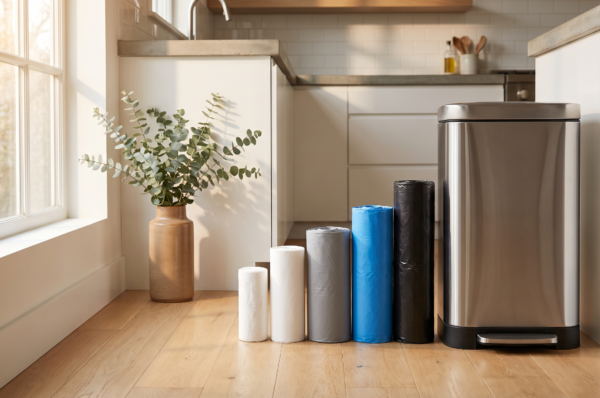
For easy transfer to your outdoor compost or community collection, consider using durable bags that can hold several days’ worth of scraps. Melplas’s heavy-duty kitchen trash bags are perfect for this purpose, as they’re designed to contain moisture and resist tearing even with wet food waste. Simply fill with your compostable materials and carry directly to your compost pile or drop-off location.
Managing Odors and Pests
One common concern with kitchen composting is the potential for unpleasant odors or attracting pests. These issues can be minimized with proper management:
- Keep your container covered when not in use
- Empty your collection container every 2-3 days
- Freeze particularly smelly items like fruit scraps until you’re ready to add them to your compost
- Add a layer of brown materials (like shredded paper or dried leaves) on top of food scraps
- Clean your container regularly with vinegar or a mild, eco-friendly soap
Composting Options for Urban Dwellers
Once you’ve collected your kitchen scraps, you have several options for actually composting them, even without a traditional backyard:
Indoor Compost Bins
Specialized indoor composting systems are designed to work in small spaces. These range from simple countertop units to more complex electric composters that can process waste quickly. Look for systems that fit your space constraints and lifestyle needs.
Balcony Composting
If you have outdoor space like a balcony or patio, consider a compact compost tumbler or a worm bin (vermicomposting). These systems can handle a reasonable amount of kitchen waste and are generally odor-free when properly managed.
Community Composting
Many urban areas now have community composting programs where you can drop off your food scraps. Some cities even offer curbside collection similar to recycling programs. Check with your local waste management department or search online for “community composting near me” to find options in your area.
Sharing With Gardeners
Connect with local gardening groups or community gardens. Many gardeners would happily accept your kitchen scraps for their compost piles, and some might even share finished compost with you in return.
Making the Most of Your Compost
Once your food scraps have transformed into nutrient-rich compost, you can use it in several ways:
- Mix with potting soil for container plants
- Top-dress houseplants to provide nutrients
- Create a nutrient-rich tea for plants by steeping compost in water
- Donate to community gardens or school gardening programs
Even if you don’t garden yourself, your composting efforts make a difference. Every scrap of food waste diverted from landfills helps reduce greenhouse gas emissions and creates valuable soil that can improve local growing conditions.
Troubleshooting Common Issues
Even with the best planning, you might encounter some challenges. Here are solutions to common problems:
Fruit Flies
These tiny pests are attracted to fermenting fruit. To deter them, keep your container covered, add a layer of brown material over fruit scraps, and empty your collection frequently. Placing a small dish of vinegar with a drop of dish soap near your compost bin can also help trap fruit flies.
Odors
If your compost bin starts to smell, it likely needs more brown materials or better aeration. Add shredded newspaper, cardboard, or dried leaves, and make sure your container has ventilation. If smells persist, empty and clean your container more frequently.
Pests
For indoor systems, make sure your container is secure and not accessible to rodents or insects. If using a balcony system, ensure it has a tight-fitting lid and is elevated off the ground.
Getting Started Today
Ready to begin your kitchen composting journey? Start small with just one or two types of food scraps that you generate regularly. Coffee grounds and fruit peels are great options for beginners. As you get comfortable with the process, gradually expand what you compost.
Remember that composting is a natural process, and it doesn’t need to be perfect to be beneficial. Every scrap of food waste you divert from the landfill makes a difference. With these simple steps, you can create an effective kitchen composting system that works for your urban lifestyle.