Creating a Zero-Waste Bathroom: Easy Swaps and Disposal Tips
The bathroom is often one of the most wasteful areas in our homes. Between single-use products, excessive packaging, and items that can’t be recycled, it’s easy to fill up trash cans quickly. Creating a zero-waste bathroom not only helps the environment but can also save you money and create a healthier living space. Let’s explore practical ways to transform your bathroom into an eco-friendly haven.
Assessing Your Current Bathroom Waste
Before making changes, it’s important to understand what’s currently going into your bathroom trash. For one week, pay attention to everything you throw away. You might be surprised to find that common culprits include cotton balls, Q-tips, plastic bottles, disposable razors, and product packaging.
Once you’ve identified your main sources of waste, you can focus on finding sustainable alternatives that work for your lifestyle. Remember that going zero-waste doesn’t happen overnight—it’s a gradual process of making better choices.
Understanding Recycling Limitations
Many bathroom items can’t be recycled in standard curbside programs. Plastic bottles with pumps, items smaller than three inches, and containers with residual product often end up in landfills. Knowing this can help you make more informed purchasing decisions and find creative solutions for items that might otherwise be trash.
Easy Zero-Waste Bathroom Swaps
Making sustainable swaps in your bathroom doesn’t have to be complicated or expensive. Start with these simple changes that will significantly reduce your waste:
Personal Care Products
Shampoo and conditioner bars: Replace plastic bottles with solid bars that often last longer and work just as well. Many brands now offer sulfate-free, natural options for various hair types.
Safety razors: Instead of disposable plastic razors, invest in a metal safety razor with replaceable blades. The initial cost is higher, but you’ll save money in the long run while eliminating plastic waste.
Bamboo toothbrushes: These biodegradable alternatives work just as well as plastic ones but will break down naturally when disposed of properly.
Reusable cloth pads: Replace cotton balls and pads with washable cloth versions. They’re soft, effective, and can be used hundreds of times.
Cleaning and Maintenance
Homemade cleaners: Create effective bathroom cleaners using simple ingredients like vinegar, water, and essential oils. Store them in glass spray bottles that can be refilled indefinitely.
Washable cleaning cloths: Replace paper towels with microfiber or cotton cloths that can be washed and reused.
Biodegradable toilet brush: Choose one with a replaceable head made from sustainable materials like coconut fiber or recycled plastic.
Proper Disposal of Bathroom Items
Even with the best zero-waste efforts, you’ll still have some items that need disposal. Proper sorting and disposal ensure that as much as possible is recycled or composted rather than sent to landfills.
Recyclable Items
Check with your local recycling program to see which bathroom items they accept. Common recyclables include:
- Plastic bottles (emptied, rinsed, and with pumps removed)
- Cardboard packaging from products
- Glass jars (emptied and rinsed)
- Empty aerosol cans (completely empty)
For items that can’t be recycled curbside, research specialized recycling programs. Many beauty brands now offer take-back programs for their packaging, and some retailers have in-store recycling bins for beauty products.
Non-Recyclable Waste
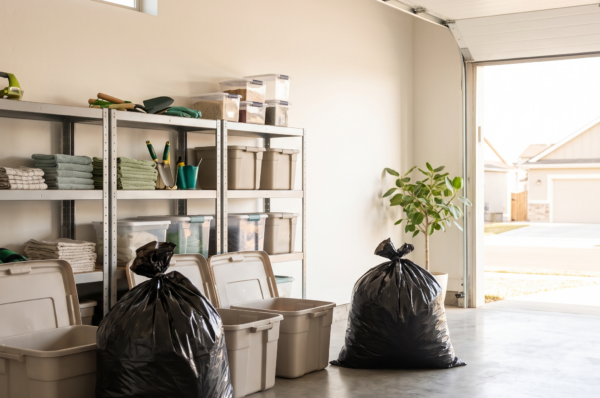
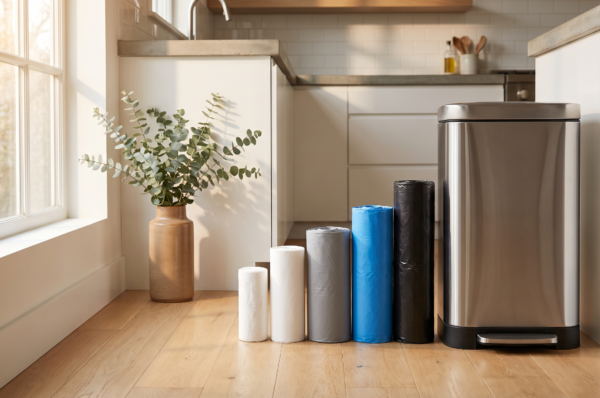
Some bathroom items simply can’t be recycled. For these items, use a durable trash bag that won’t split or leak, especially for items that might still contain moisture or product residue. When sorting bathroom waste, consider using Melplas trash bags which are designed to handle bathroom waste without tearing or creating messes.
For hazardous bathroom waste like expired medications, contact your local pharmacy or waste management facility about proper disposal methods. Never flush medications down the toilet as they can contaminate water supplies.
Creating a Sustainable Bathroom Routine
Maintaining a zero-waste bathroom requires developing new habits and routines. Here are some tips to make sustainability a natural part of your daily life:
Shopping Mindfully
Before purchasing new bathroom products, ask yourself if you truly need them. When you do need to buy something, choose products with minimal or recyclable packaging. Consider bulk buying for frequently used items to reduce packaging waste.
DIY Solutions
Many bathroom products can be made at home with simple ingredients. From toothpaste and deodorant to body scrubs and facial treatments, DIY options eliminate packaging waste and often contain fewer chemicals.
Proper Storage
Store homemade or bulk products in glass jars or metal containers to keep them fresh. Label everything clearly so you don’t forget what’s inside. This will prevent products from going bad and needing to be thrown out.
The Benefits of a Zero-Waste Bathroom
Creating a zero-waste bathroom is more than just an environmental choice—it’s a lifestyle improvement. You’ll enjoy cleaner air quality from fewer chemical products, save money by buying less and making your own products, and create a more organized, intentional space.
As you continue on your zero-waste journey, remember that perfection isn’t the goal. Progress is what matters. Each small change contributes to a larger positive impact on our planet and your own wellbeing.
When decluttering your bathroom during this transition, use sturdy bags that can handle various items without breaking. For bath products, old packaging, and other bathroom waste during your zero-waste transition, Melplas durable trash bags provide the reliability you need while you work toward your sustainability goals.