Cat Litter Box Odor Control That Actually Works
If you share your home with a cat, you already know the deal: one missed scooping session and the whole room smells like a kennel. Cat urine odor is one of the toughest household smells to eliminate because of ammonia, which gets stronger the longer it sits. The good news? You don’t need expensive gadgets or scented sprays that just mask the problem. A few smart habits and the right setup will keep your home smelling clean even with one (or three) cats. Here’s what actually works, based on what experienced cat owners and vets consistently recommend.
Start With the Right Litter
The single biggest factor in litter box odor is the litter itself. If you’re using a cheap clay litter that barely clumps, urine soaks to the bottom of the pan and bacteria go to work immediately.
Clumping clay litter
Unscented clumping clay remains the gold standard for odor control. It locks urine into solid clumps you can scoop out completely, which means less ammonia escaping into your air. Skip the scented versions — many cats dislike added fragrance and may start avoiding the box, which creates a much bigger problem than odor.
Alternatives worth trying
If dust is a concern, look into walnut-based or grass-seed litters, which clump well with far less tracking. Silica gel crystal litter is extremely absorbent and lasts longer between changes, though some cats need time to adjust. Whatever you pick, change the type gradually by mixing it with the old litter over a week.
Scoop Daily — No Exceptions
This is the habit that separates fresh-smelling homes from the rest. A litter box should be scooped at least once a day; twice is better if you have multiple cats. Each clump you leave behind keeps producing ammonia. Keep a dedicated scoop, a small lined container nearby, and make it part of your morning routine — it takes ninety seconds.
Line your scooping container the smart way
Rather than dumping clumps into an open trash can (which spreads odor instantly), keep a small lidded bin next to the litter box lined with a small durable bag. Tie it off every day or two and take it straight to your outdoor bin. Melplas small trash bags are a good fit here — they’re thick enough to hold clumps without leaking and they tie off cleanly, so you’re not fighting a flimsy grocery sack at 6 a.m.
Placement Matters More Than You Think
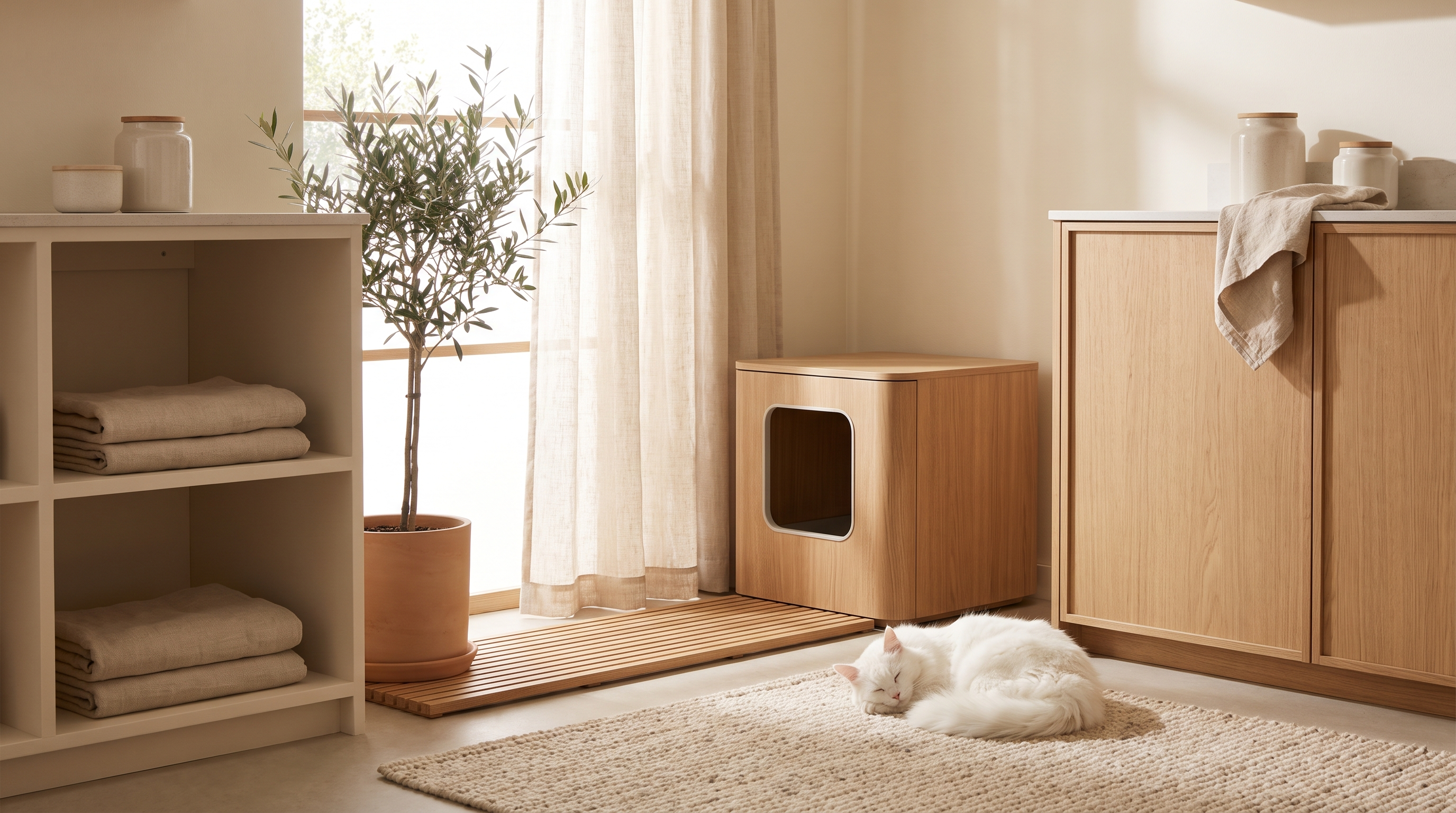
A litter box crammed into a humid bathroom or a dark, airless closet will smell worse no matter how often you scoop. Ammonia needs airflow to dissipate.
- Choose a low-humidity, well-ventilated spot — a spare room corner or hallway nook works well.
- Keep it away from noisy appliances like washers and furnaces that can scare your cat off the box.
- One box per cat, plus one extra, in separate locations if possible.
Deep Clean on a Schedule
Even with perfect scooping, residue builds up. Once a month, dump all the litter and wash the box with mild dish soap and warm water. Never use ammonia-based cleaners or bleach on a box — the chemical reaction with urine residue creates dangerous fumes, and the ammonia smell actually attracts cats back to mark. Let the box dry fully before refilling, since damp litter clumps poorly.
Replace the box yearly
Plastic absorbs odors over time and develops microscopic scratches that harbor bacteria. If your box still smells after a deep clean, the box itself is the problem. Most boxes are due for replacement every 12 months.
Dispose of Litter the Right Way
How you handle used litter after scooping makes a huge difference in whole-house odor. Never flush clay litter — it clumps in pipes and can wreck your plumbing. And while composting sounds eco-friendly, cat feces can carry the parasite that causes toxoplasmosis, so used litter belongs in the trash.
Build a sealed disposal system
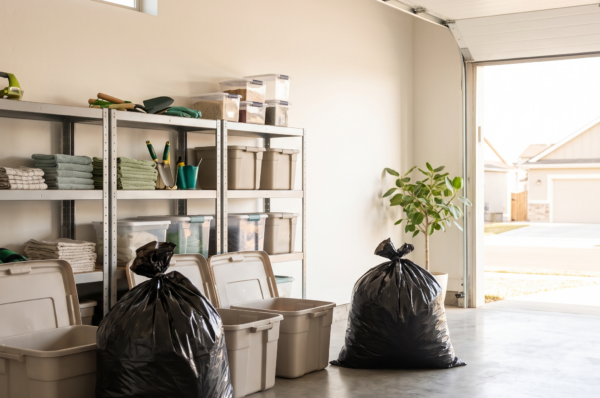
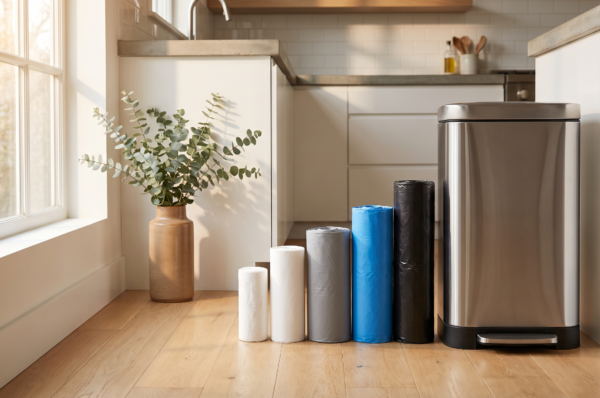
The best setup is simple: a lidded step bin near the litter area, lined with a heavy-duty bag that you empty into your outdoor garbage can at least twice a week. Thin bags fail fast with clumping litter, which is heavy and often has sharp clump edges. This is where Melplas medium trash bags earn their keep — the puncture-resistant construction means no leaks or tears on the trip to the curb, and the bags contain odor instead of letting it seep through like cheap liners do.
Quick Wins for Stubborn Smells
- Add baking soda: Sprinkle a thin layer on the bottom of the box before adding litter. It neutralizes ammonia without bothering your cat.
- Use an air purifier: A small HEPA purifier near the litter area captures dust and odor particles.
- Check the mat: A litter tracking mat catches granules before they spread odor around the house. Shake it into the trash weekly.
- Watch for changes: A sudden jump in odor can signal a health issue like a urinary tract infection. If the smell changes character, call your vet.
The Bottom Line
Cat litter box odor control isn’t about one magic product — it’s a system. Quality unscented clumping litter, daily scooping into a lined lidded bin, smart box placement, monthly deep cleans, and leak-proof disposal bags together keep ammonia out of your living space. Set up the routine once, and it runs on autopilot in under three minutes a day. Your guests will never know you have a cat until they see it — which is exactly the goal.
Looking for bags tough enough for litter duty? Browse the full Melplas trash bag lineup to find the right size for your litter station, kitchen, and beyond.