We’ve all been there: it’s 6:00 PM, you just walked through the door, and the dreaded “what’s for dinner?” question starts echoing through the house. In the rush of modern life, the temptation to order takeout or grab processed convenience food is real. But there is a better way, one that saves you money, time, and stress: Freezer Meal Prep.
Freezer cooking isn’t just for large families or those with massive stand-alone freezers. It’s a strategy for anyone who wants to reclaim their evenings and ensure their family eats home-cooked meals without the daily grind. However, there is a right way and a wrong way to stock your freezer. If you’ve ever pulled out a container of mystery meat only to toss it in the trash due to freezer burn, you know the frustration of wasted food.
In this guide, we’ll walk through the essentials of freezer meal prep, from choosing the right recipes to organizing your cold storage so nothing gets left behind.
The Benefits of Batch Cooking
Before we dive into the logistics, let’s quickly cover why you should dedicate a Sunday afternoon to chopping and simmering.
1. Significant Financial Savings
Buying ingredients in bulk is almost always cheaper. When you prep meals in advance, you can take advantage of sales on proteins and vegetables. Furthermore, you drastically reduce the amount of food that goes bad in the crisper drawer. According to the USDA, the average American family throws away hundreds of dollars in food annually. Freezer meal prep puts a dent in that number.
2. Healthier Choices
When you have a healthy, home-cooked meal waiting to be heated, you are less likely to hit the drive-thru. You control the sodium, the sugar, and the portion sizes. It is the ultimate hack for sticking to a dietary goal without feeling deprived.
3. Time Reclamation
Think about the time spent every day chopping onions, waiting for water to boil, and cleaning up pots. By doing this once or twice a month, you consolidate that cleanup time. On a busy Tuesday, your “cooking” time is reduced to reheating and plating.
Essential Tools for Freezer Prep
You don’t need a gourmet kitchen to make this work, but you do need the right supplies to protect your food from the harsh environment of a freezer.
Storage Containers
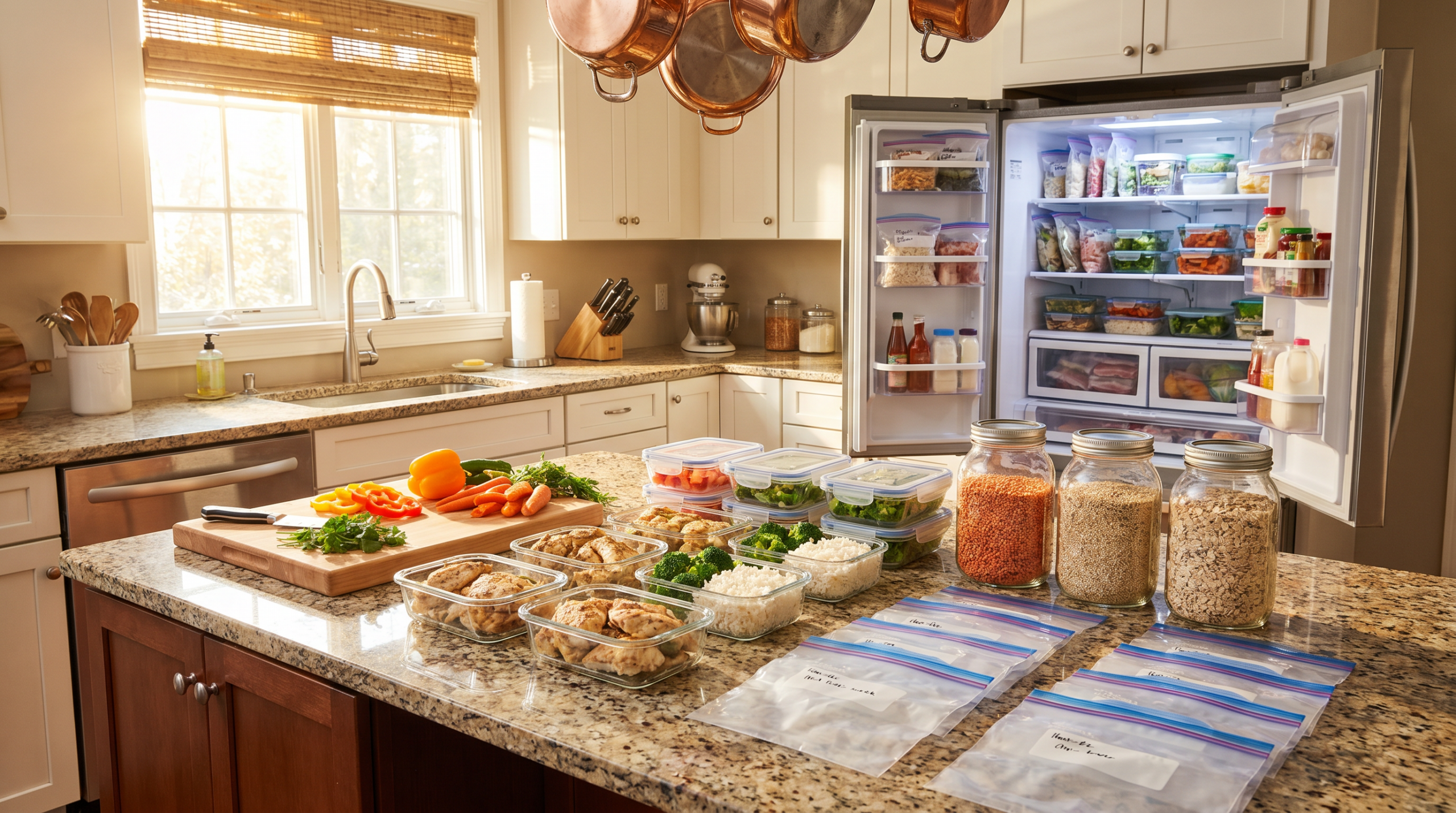
Invest in high-quality, BPA-free plastic or glass containers. Glass is excellent because it doesn’t stain and is safe for the microwave, but it is heavy and can break if dropped while frozen. If using plastic, ensure it is specifically rated for freezer use to prevent cracking.
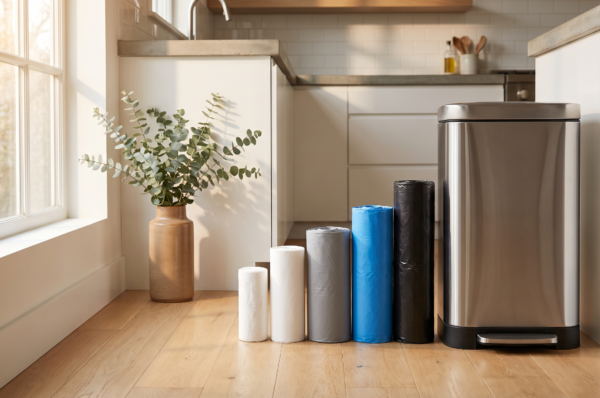
For soups, stews, and sauces, freezer bags are your best friend. They lay flat, allowing you to stack them like books, which saves a tremendous amount of space. This is where durability matters. When you fill a bag with a heavy liquid like chili or soup, the last thing you want is a burst seam. We recommend using durable, tear-resistant bags like Melplas trash bags (specifically our smaller kitchen sizes) for heavy-duty prep storage, or heavy-duty sealable bags designed for food to ensure your hard work stays safe from freezer burn and leaks.
Labeling Supplies
Never trust your brain to remember what is in a foil-wrapped package two months from now. Use a permanent marker and write the following three things on every single bag or container:
- Date: When you made it.
- Contents: Be specific (e.g., “Spicy Taco Meat” vs. “Meat”).
- Reheating Instructions: e.g., “Thaw overnight, bake at 350F for 20 mins.”
What Foods Freeze Well (And What Doesn’t)
Success in freezer cooking depends on selecting recipes that can handle the cold. Freezing alters the texture of some foods, so knowing what works is key.
The Best Candidates for Freezing
- Soups and Stews: Bean soups, broth-based soups, and chili freeze exceptionally well.
- Casseroles: Lasagna, enchiladas, and pasta bakes. You can freeze them before or after baking.
- Marinated Meats: Chicken breasts and steaks marinate perfectly in the freezer.
- Grains: Cooked rice and quinoa freeze well if stored flat.
Foods to Avoid Freezing
- Cream-based sauces: These often separate and become grainy.
- Crispy veggies: Lettuce, cucumbers, and raw tomatoes will turn to mush. Freeze cooked mirepoix (onions, carrots, celery) instead.
- Cooked pasta: If freezing a pasta dish, slightly undercook the pasta so it doesn’t become mushy when reheated.
Organization Strategies: The FIFO Method
Once your freezer is full, organization becomes your next challenge. A disorganized freezer leads to food waste simply because you can’t see what you have.
Bins and Baskets
Use wire baskets or plastic bins to categorize food. Have one bin for “Breakfast,” one for “Dinner,” and one for “Proteins.” This keeps like-items together and prevents the avalanches that occur when you dig for a bag of peas at the bottom.
The First-In, First-Out Rule
Just like a grocery store, you should use the oldest items first. When you pack new meals, place them behind the existing ones. This requires a bit of discipline, but it ensures that nothing sits in the back of the freezer for two years.
Managing Waste and Cleanup
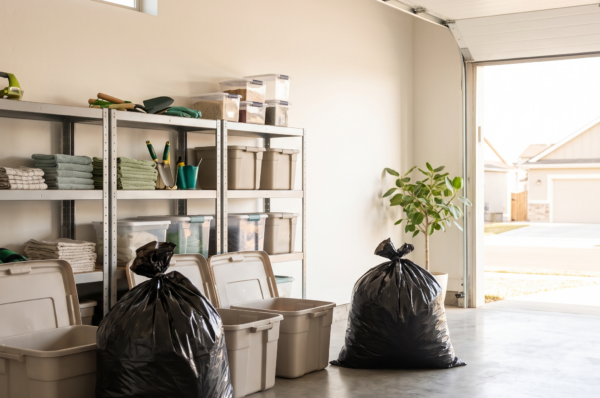
Let’s be honest: freezer meal prep creates a lot of waste at once. You will have vegetable peels, meat trimmings, and packaging scraps. It is crucial to have a waste management system ready before you start cooking.
Keep a large, sturdy bin lined with a heavy-duty bag right next to your prep station. You don’t want to be trekking to the garage trash can with chicken skins dripping on your floor. A bag that won’t rip or leak, like the Melplas heavy-duty drawstring bags, is essential here. They handle the weight of wet, heavy food scraps without breaking, allowing you to focus on the cooking rather than cleaning up messes.
A Sample Sunday Prep Schedule
Ready to start? Here is how a typical Sunday might look for a beginner:
- 9:00 AM: Grocery run or unpack delivery.
- 10:00 AM: Chop all onions, peppers, and carrots.
- 11:00 AM: Brown ground meat for tacos, meatballs, and chili.
- 12:00 PM: Assemble casseroles while sauces simmer.
- 1:00 PM: Cool everything down completely. Critical step: Never put hot food directly into the freezer; it raises the temperature and can spoil other food.
- 2:00 PM: Portion into bags/containers, label, and load the freezer.
Final Thoughts
Freezer meal prep is an investment in your future self. It takes effort upfront, but the payoff is immense. By using durable storage solutions and keeping your space organized, you can transform your kitchen from a source of stress into a well-oiled machine. Start small this week—try doubling just one recipe and freezing half—and see how good it feels to have dinner done before the week even begins.